
 &
& 


The risk in giving jewellery is not that the recipient dislikes it. It is that it dulls within six months, gets quietly retired to a drawer, and the gift ends as a small mutual embarrassment. Tarnish is a chemical reaction rather than neglect, and whether it happens is decided almost entirely by what the piece is made from.
What causes jewellery to tarnish?
Reactive silver alloys respond to sulfur compounds in air, sweat, wool, rubber and some cosmetics, forming a dark surface film. It is not dirt and it is not the wearer's fault; it is the metal doing what that metal does. Tarnish-resistant tones do not undergo the same reaction, which is why two people with identical habits get different results from two different pieces.
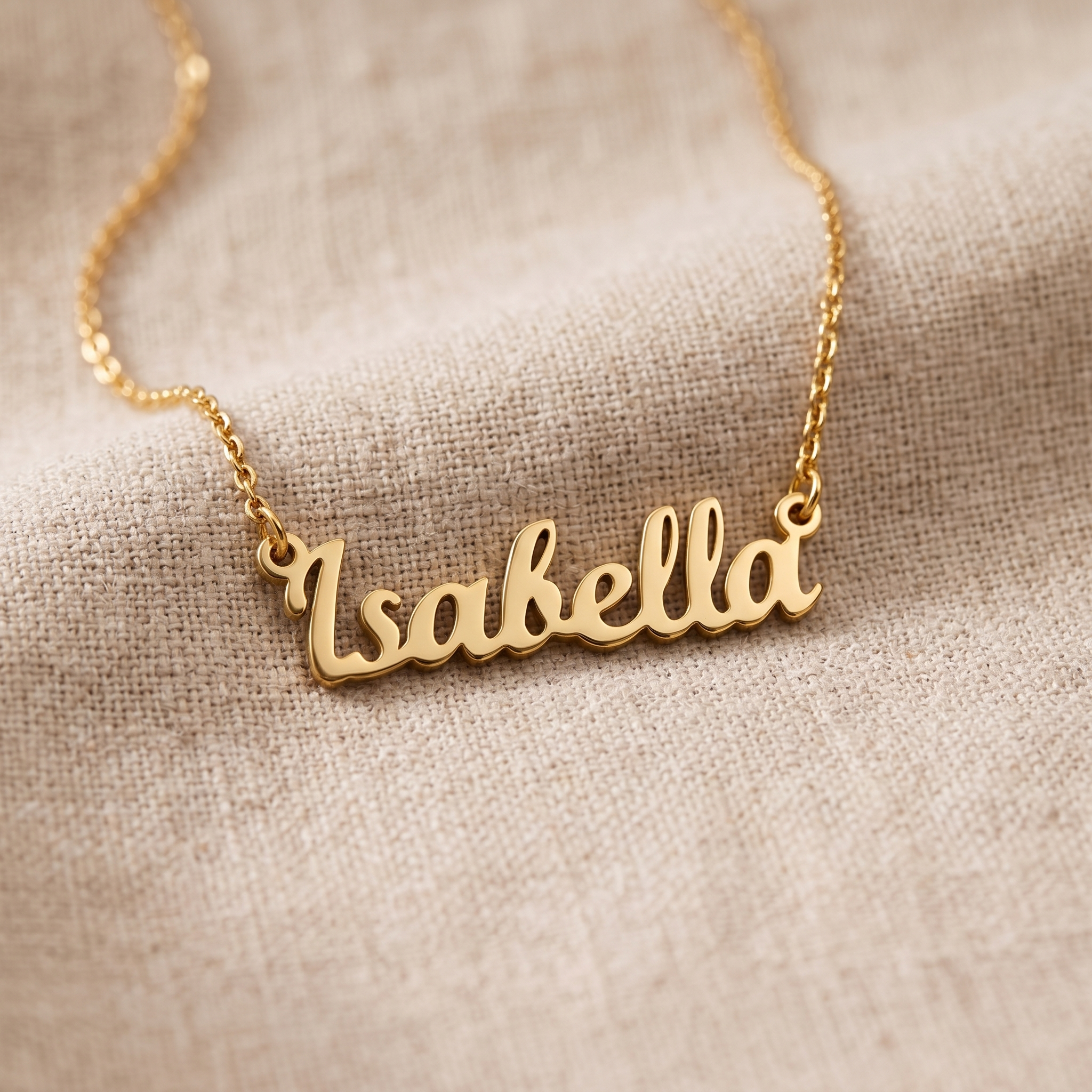
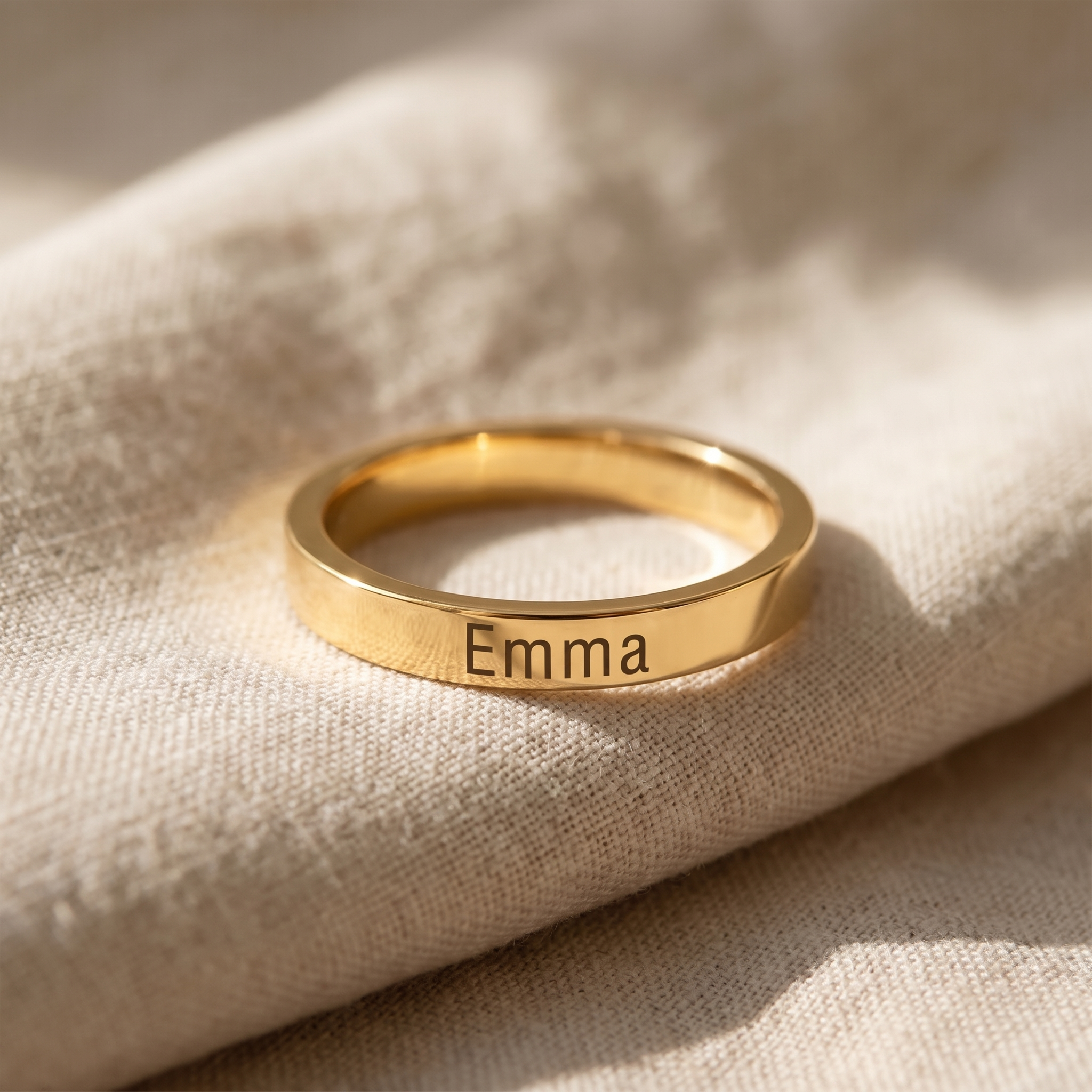
Belle Fever uses Monel Silver, Moneil Gold and Moneil Rose Gold, tarnish-resistant and waterproof, at a minimum 1.5mm thickness with deep laser engraving.
Why does that matter more for a gift than for something you buy yourself?
Because you will never be told. Someone who buys their own jewellery and finds it dulling simply replaces it. Someone given a piece that dulls says nothing, wears it less, and eventually stops. A gift only keeps working if it is still being worn a year later, which makes durability a bigger factor in gift-giving than design is.
What should you look for when choosing a gift?
- A finish that does not need maintenance - nobody polishes a gift they were given
- Water tolerance - a piece that must come off before a shower comes off permanently within a month
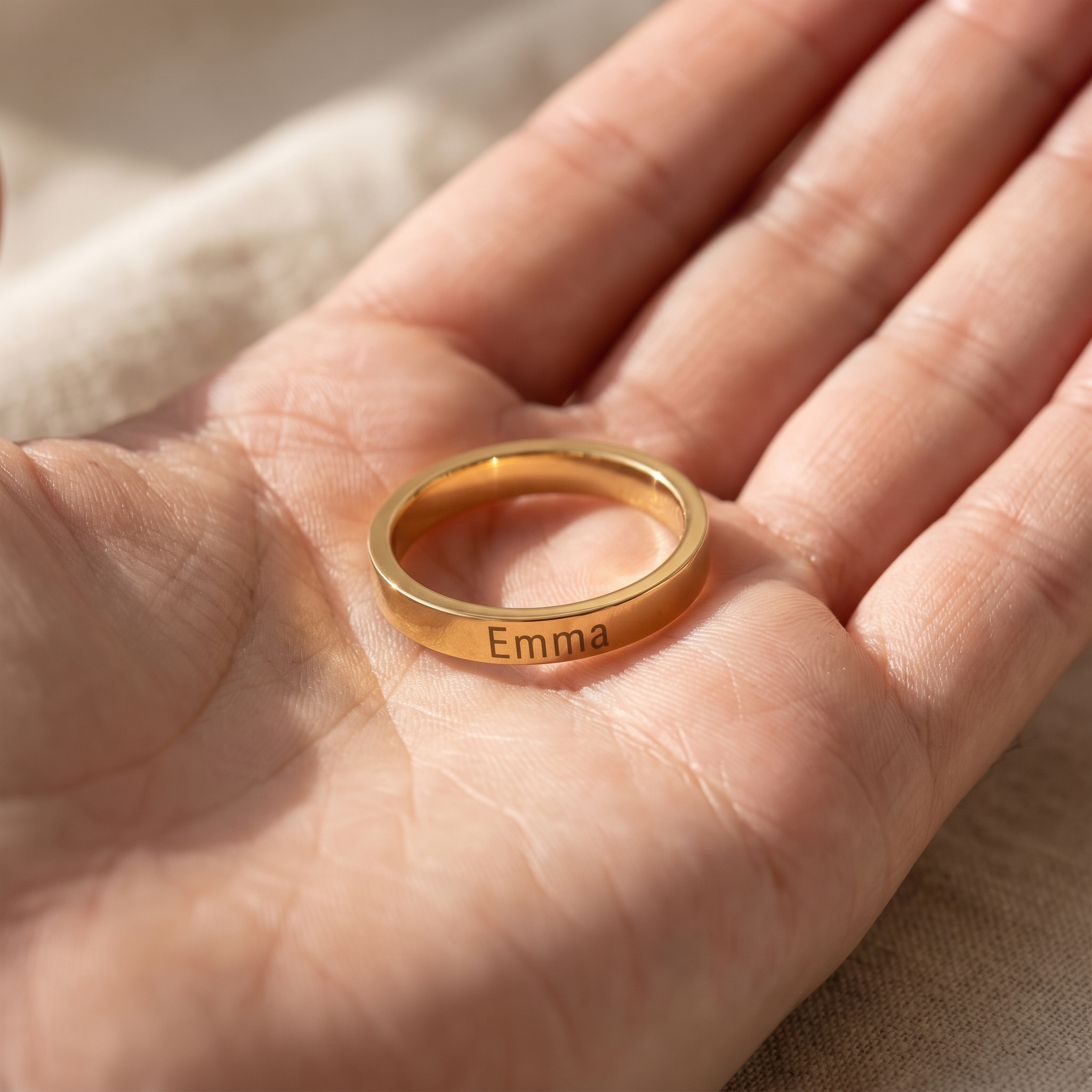
- Enough thickness - thin plated pieces wear through at the contact points first
- Engraving cut into the metal - surface marking softens with handling, cut engraving does not
- Something they already dress like - the most durable piece in the world still has to suit them
A personalised name necklace or a slim stackable ring meets all five, which is why they are the two most given pieces in the range.
How should the recipient care for it?
Barely, and that is the point. Wipe with a soft dry cloth when it looks dull. Put jewellery on after perfume and hand cream rather than before. Rinse and dry after chlorine or salt water. Store pieces separately so chains do not tangle. Avoid abrasive pastes and silver dips entirely, particularly on engraved pieces where residue fills the lettering. That is the whole routine, and it is short enough to fit on a card.
Frequently asked questions
Can Belle Fever jewellery be worn in the shower?
Yes. The Monel and Moneil tones are waterproof and tarnish-resistant and are made for daily wear. Rinse and dry after chlorine or salt water, because residue dulls a finish even though it cannot corrode it.
Why did an old silver piece go black but this one has not?
Because they are different metals. Reactive silver alloys form a dark film with sulfur in air and sweat. Tarnish-resistant tones do not react the same way, so the same wearer gets different results from two pieces.
Does it need polishing?
No. A soft dry cloth is enough. Abrasive pastes and chemical dips are unnecessary on a tarnish-resistant finish and actively harmful on engraved pieces, where residue fills the lettering and dulls the contrast.
Will the engraving wear off?
No. Deep laser engraving cuts into the metal rather than marking the surface, and pieces are a minimum 1.5mm thick, so handling does not remove it.
What is the safest jewellery gift if I do not know their taste?
Something plain, sizeless and durable with a name or date on it. A pendant or a keyring is judged on what it says rather than on whether it suits them, and a tarnish-resistant finish means it is still wearable a year later.
